










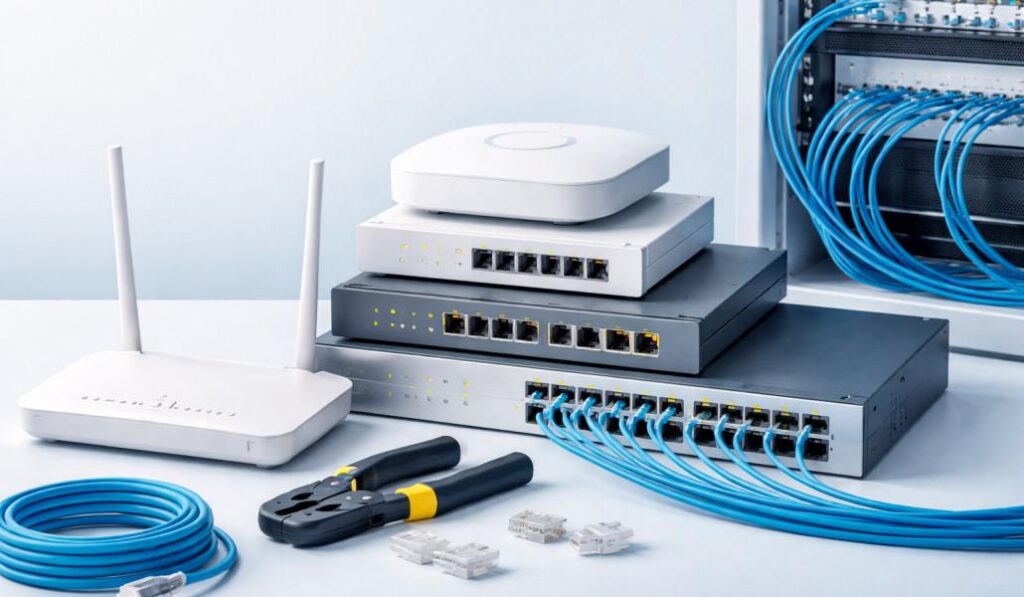
, almost every institution relies on computer networks to communicate, exchange information, access online services, and manage important data. Behind these digital connections is a specialized field known as Network Engineering.
Network Engineering is one of the most important areas of Information and Communication Technology (ICT). It focuses on designing, installing, configuring, maintaining, and securing computer networks that allow devices and systems to communicate effectively.
For students and technology enthusiasts who want to build a successful career in IT, learning network engineering can open doors to numerous professional opportunities.
At Faella ICT Institute, we believe that acquiring relevant ICT knowledge and practical technical skills is an important step toward becoming part of the digital workforce.
What Is Network Engineering?
Network Engineering is a branch of information technology that involves the development, implementation, management, and maintenance of computer networks.
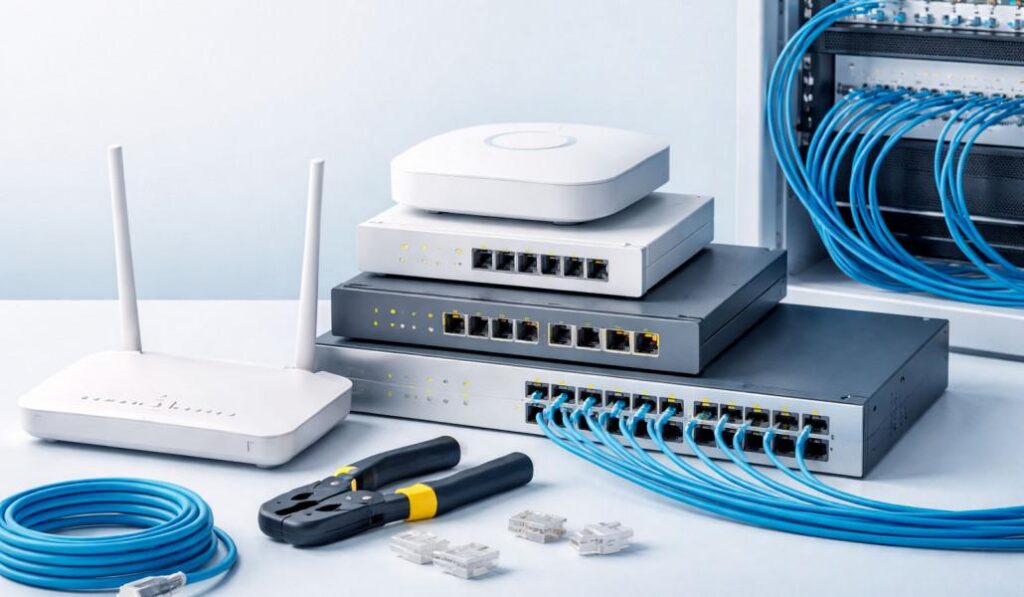
A network engineer ensures that computers, servers, routers, switches, and other networking devices communicate efficiently and securely.
These networks allow individuals and organizations to share information, access resources, communicate remotely, and perform everyday digital activities.
Network Engineering involves several important technologies and concepts, including:
- Local Area Networks (LAN).
- Wide Area Networks (WAN).
- Wireless networking (Wi-Fi).
- Internet Protocol (IP) addressing.
- Network routing and switching.
- Network security.
- Network monitoring and troubleshooting.
- Cloud networking.
Understanding these concepts provides the foundation for anyone interested in pursuing a career in computer networking.
Why Is Network Engineering Important?
Modern organizations cannot operate effectively without reliable communication and data-sharing systems. Network engineering provides the infrastructure that makes these activities possible.
Here are some reasons why network engineering is important.
1. Reliable Communication
Computer networks enable people to communicate through emails, video conferencing, messaging applications, and other digital platforms.
2. Efficient Data Sharing
Organizations use computer networks to share documents, databases, software applications, and other important resources.
3. Improved Business Productivity
A properly configured network helps organizations reduce downtime, improve communication, and increase operational efficiency.
4. Network Security
Network engineers implement security solutions that protect computer systems and sensitive information from unauthorized access, cyberattacks, and data breaches.
5. Support for Modern Technologies
Cloud computing, artificial intelligence, online education, remote working, and digital business operations all depend on reliable network infrastructure.

Essential Skills Every Network Engineer Should Have
Becoming a professional network engineer requires technical knowledge, practical experience, and problem-solving abilities.
The following skills are essential for anyone interested in network engineering.
1. Computer Networking Fundamentals
Understanding the basics of computer networking is the first step. Students should learn about network topologies, communication protocols, the OSI model, and the TCP/IP model.
2. IP Addressing and Subnetting
IP addressing allows devices to identify and communicate with one another across networks. Network engineers must understand IPv4, IPv6, subnet masks, and subnetting.
3. Router and Switch Configuration
Routers and switches are essential networking devices. Network engineers must know how to configure, manage, and troubleshoot these devices.
4. Network Security
Knowledge of firewalls, access control, encryption, and security protocols helps network engineers protect networks against potential threats.
5. Troubleshooting and Problem-Solving
Network problems can interrupt business operations. Engineers must be able to identify connectivity issues, analyze network performance, and implement effective solutions.
6. Networking Software and Tools
Practical knowledge of tools such as Cisco Packet Tracer, Wireshark, PuTTY, and network monitoring applications helps learners understand how networks operate.
Different Types of Network Engineering
Network engineering offers several specializations depending on an individual’s interests and professional goals.
Enterprise Network Engineering
Enterprise network engineers design and manage computer networks used by businesses, universities, government institutions, and large organizations.
Wireless Network Engineering
Wireless network engineers develop and maintain wireless communication systems, including Wi-Fi infrastructure.
Network Security Engineering
Network security engineers focus on protecting networks against cyber threats, unauthorized access, and malicious activities.
Cloud Network Engineering
Cloud network engineers design and manage network infrastructure that supports cloud-based applications and services.
Data Center Network Engineering
These professionals manage high-performance networks that connect servers, storage systems, and other equipment in data centers.
Career Opportunities in Network Engineering
One of the major advantages of studying network engineering is the variety of career opportunities available across different industries.
Organizations need qualified IT professionals to design, manage, maintain, and secure their network infrastructure.
Some potential career opportunities include:
- Network Engineer: Designs, installs, and maintains computer networks.
- Network Administrator: Manages daily network operations and performance.
- IT Support Technician: Provides technical assistance and resolves computer and connectivity problems.
- Network Security Engineer: Protects network systems against cybersecurity threats.
- Systems Administrator: Manages servers, operating systems, and IT infrastructure.
- Wireless Network Engineer: Designs and maintains wireless networks.
- Cloud Network Engineer: Manages networking infrastructure in cloud environments.
With experience, professional training, and relevant certifications, individuals can progress into more advanced networking and IT infrastructure roles.
Professional Certifications for Network Engineers
Professional certifications help demonstrate technical knowledge and can strengthen an individual’s professional profile.
Some recognized certifications include:
Cisco CCNA
The Cisco Certified Network Associate (CCNA) certification covers networking fundamentals, IP connectivity, network access, and security fundamentals.
CompTIA Network+
This certification develops foundational knowledge of networking technologies, implementation, and troubleshooting.
Cisco CCNP
The Cisco Certified Network Professional (CCNP) certification is designed for professionals seeking advanced networking knowledge.
Juniper Networks Certifications
These certifications help professionals develop knowledge of Juniper networking technologies and infrastructure.
Although certifications are valuable, practical experience and continuous learning are also essential for building a successful networking career.
How to Become a Network Engineer
If you are interested in becoming a network engineer, the following steps can help you get started.
Step 1: Learn Computer Fundamentals
Begin by understanding computer hardware, operating systems, and basic information technology concepts.
Step 2: Study Networking Fundamentals
Learn about LAN, WAN, IP addressing, network protocols, routers, switches, and network topologies.
Step 3: Develop Practical Networking Skills
Use networking simulators such as Cisco Packet Tracer to practice configuring routers, switches, and computer networks.
Step 4: Understand Network Security
Study basic cybersecurity principles, firewalls, access control, and secure network configuration.
Step 5: Work on Networking Projects
Build small networks, connect multiple computers, configure network devices, and troubleshoot connectivity issues.
Step 6: Pursue Professional Training and Certifications
Enroll in relevant ICT training programs and consider industry-recognized networking certifications.
Step 7: Gain Practical Experience
Look for internships, entry-level IT support positions, and opportunities to work with networking equipment.
Why Choose Faella ICT Institute for ICT Training?
The demand for digital skills continues to grow as businesses and institutions embrace modern technology.
At Faella ICT Institute, developing practical ICT knowledge is an important part of preparing learners for the digital world.
Whether you are a beginner interested in technology or someone looking to improve your technical abilities, acquiring computer networking knowledge can help you explore opportunities in the ICT industry.
Through ICT education, technical learning, and continuous skills development, learners can build a foundation for careers in network administration, network engineering, cybersecurity, computer maintenance, and other technology-related fields.
Choosing to develop your ICT skills today can be an important investment in your professional future.
Frequently Asked Questions About Network Engineering
1. What is Network Engineering?
Network Engineering is the field of information technology concerned with designing, implementing, managing, maintaining, and securing computer networks.
2. What does a network engineer do?
A network engineer installs, configures, monitors, maintains, and troubleshoots networking equipment and infrastructure to ensure reliable communication between devices.
3. Is Network Engineering a good career?
Yes. Network engineering offers career opportunities in businesses, telecommunications, educational institutions, financial organizations, and other industries that depend on computer networks.
4. What qualifications are needed to become a network engineer?
Knowledge of computer systems, networking fundamentals, IP addressing, routers, switches, and network security is important. Relevant ICT training and certifications can help develop these skills.
5. Can beginners learn Network Engineering?
Yes. Beginners can start by learning basic computer skills and networking fundamentals before progressing to advanced network configuration and troubleshooting.
6. Which software do network engineers use?
Common networking tools include Cisco Packet Tracer, Wireshark, PuTTY, and network monitoring applications.
7. What is the difference between Network Engineering and Network Administration?
Network engineering generally focuses on designing, building, and implementing network infrastructure, while network administration focuses on managing, maintaining, and monitoring existing networks. Both professions share many responsibilities.
8. Where can I study ICT and develop networking skills?
You can explore ICT training opportunities at Faella ICT Institute and other reputable institutions offering relevant computer networking and information technology programs.
Conclusion
Network Engineering is a vital part of today’s digital environment. From connecting computers and enabling communication to securing information and supporting modern business operations, network engineers play an important role in keeping the world connected.
Learningnetwork engineering provides an opportunity to develop valuable technical skills and explore different career paths in the ICT industry.
Whether you want to become a network engineer, network administrator, IT support technician, or cybersecurity professional, building a strong foundation in computer networking is a great place to start.
Start your ICT learning journey with Faella ICT Institute. Develop your technical skills, embrace innovation, and prepare for the opportunities of the digital future.
Are you interested in developing your ICT skills? Contact Faella ICT Institute today to discover available training opportunities and take the first step toward your technology career.